


Agriculture Careers Australia

With such a wide diversity of vocational opportunities, there are numerous ways to enter the agricultural industry and different levels of training and skills needed. In this article we will guide you through the types of agricultural careers in Australia, and the pathways to get there.
What is agriculture?
Agriculture is a broad term that incorporates activities related to the act of cultivating soil, growing crops or raising livestock. The agricultural industry produces food, fibre and other products for human use. Agriculture covers a diverse area that includes production, science and research and farming.
What is an agricultural career?
An agricultural career is defined by working within the industry relating to farming, cultivation and animal husbandry. An agricultural career may include hands-on farmwork like raising and caring for livestock, shearing sheep or growing crops. However, agricultural careers also offer extended opportunities in support services like business, marketing, research and sales. The agricultural industry encompasses outdoor work dealing directly with crops or livestock, as well as office-focused work in business, administration and science.
Types of agricultural careers
If you are considering a career in agriculture, there are a wide variety of roles to think about. To help you understand the types of agricultural careers available, we have divided them into four categories - general, livestock, crops and agribusiness. Whether you have a penchant for outdoor farm work, management or even sales, there are a multitude of career opportunities in the agricultural industry. Here are some of the key types of agricultural careers in each category.
General agricultural careers
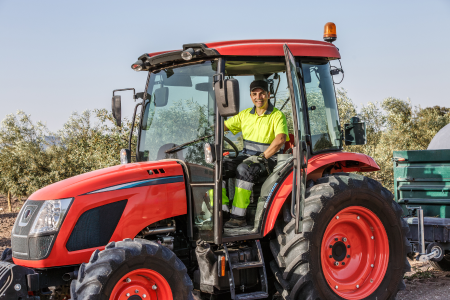
A general agricultural career is one that could suit any type of farming, whether it is crops or livestock. Every type of farm may offer the following career opportunities.
- Farm manager: A farm manager oversees the daily operations of a farm to make sure it runs efficiently. Farm managers will be responsible for all the operations, administrative tasks, and managing the agricultural employees. A farm manager is needed on both crop and livestock farms. Duties will include planning and overseeing planting and cultivation practices, organising workers’ schedules, managing livestock feeding, healthcare and breeding. A farm manager needs farm experience and strong management skills. To become a farm manager, you might start out as a farm worker and move your way up, or you can undertake agriculture and management courses.
- General farm hand: A general farm hand involves manual labour, feeding and looking after livestock, planting and harvesting crops, or performing general farm work. Usually a farm hand will work under the supervision of a senior farmer or farm manager. A farm hand is an entry level role that does not require any formal education or experience. However, applicants for farm hand work who have a Certificate III in Agriculture may stand out to potential employers as they have some relevant knowledge.
- Farm accountant: Farm accountants are responsible for analysing, reporting and advising on a farm’s financial situation. To be a farm accountant is a highly specialised role that requires deep knowledge of the agricultural industry in order to give strategic business advice. A farm accountant is best suited to those with agricultural knowledge and accounting skills. Usually a farm accountant will have undertaken a degree in accounting and agriculture. A farm accountant is a career opportunity on both crop and livestock farms.
- Farm equipment operator: Farm equipment operators maintain and operate farm equipment on crop and livestock farms. They are responsible for driving and controlling farm equipment like tractors and backhoes to plant and harvest crops, feed and herd livestock. You can become a farm equipment operator without any formal qualifications although a Certificate III in Rural Machinery operations is useful. You will need a drivers licence to operate farming equipment and possibly a heavy vehicle licence if the equipment is over 4.5 tonnes.
Careers in livestock farming
Livestock farming is the process of farming animals like pigs, goats, sheep, cattle, and chickens for the production of meat, wool, skins and eggs. Because livestock farming deals specifically with animals, there are a range of potential career opportunities. These include:
- Livestock breeder: A livestock breeder is responsible for raising and breeding livestock to have specific genetic traits. A livestock breeder will breed selected animals to possess particular characteristics like temperament, colour, size or performance abilities. On a farm, a livestock breeder might want to breed cows with a higher milk production, or sheep with thicker wool. Pathways to becoming a livestock breeder include on the job training, certificates in animal husbandry, or a Bachelor of Agriculture.
- Livestock transport driver: A livestock transport driver transports animals between farms, saleyards and abattoirs. Livestock transport drivers will have to drive a heavy vehicle and ensure the animals arrive safely, load the animals on and off the truck, check inventory, receipts and ensure compliance with regulations. A livestock transport driver must have a relevant truck licence and a Certificate III in Driving Operations.
- Veterinarian: A livestock veterinarian is a qualified veterinarian specialising in the medical care of livestock. Livestock veterinarians often work on farms with typical duties being basic health and wellness exams, drawing blood, prescribing medication, x-rays, caring for wounds and assisting with births. To become a livestock veterinarian, you will need to complete an undergraduate or postgraduate degree in veterinary science.
- Sheep shearer: Sheep shearers use specialised tools to shear wool from livestock like sheep, alpacas and goats. Sheep shearers are usually self-employed or work in a team of shearers on different farms. No formal qualifications are necessary to become a sheep shearer although some hands-on training and a Certificate III in Shearing is good preparation for a career in this field.
- Livestock drover: A livestock drover is a person who moves livestock like cattle or sheep from one location to another. Sometimes drovers will be based on a farm or move from one farm to another. Also known as mustering, moving livestock can be done while on a horse or in a vehicle. Drovers may also do other duties like livestock drafting, branding, and ear tagging. To be a livestock drover, you will need to be a competent horse rider, fit and able to withstand long days outside.
Careers in crop farming
Crop farming is the production of crops on a large scale. Crops may include fruit, vegetables, seeds or grains. There are many career opportunities in crop cultivation. These include:
- Crop grower: A crop grower is responsible for managing and growing crops by planting seeds, irrigating, fertilising and harvesting. Crop growers may be in charge of a team of workers, organise schedules to maximise crop yield, or research new growing techniques. There are no formal qualifications needed to become a crop grower. Ideal traits and skills are liking working outdoors, good communication and leadership skills, and interest in crop growth.
- Grain elevator operator: The role of a grain elevator operator is to store, ship and buy grain. The main purpose is to move the food from the farm to feedlots or companies, assisting in grain sales and transportation. To become a grain elevator operator you will need some industry experience and farm equipment knowledge.
- Biosecurity officer: Biosecurity officers help farmers by providing them with information on general diseases and pests to prevent potential threats to crops. Their main tasks are to inspect plants and agricultural products, monitor and audit quality and hygiene procedures and ensure compliance with regulations. To be a biosecurity officer, you will need good communication skills, time management and attention to detail.
- Cold storage manager: Cold store managers work in the cool rooms and large freezers on farms. They are responsible for ensuring the freshness and quality of the products going to be sold. A cold storage manager is a leadership role, responsible for running the cold storage area, and directing a team of workers. Cold storage managers also need to maintain records and ensure compliance with regulations.
Careers in agribusiness

Agribusiness is another opportunity for a career in agriculture. It is a combination of agriculture and business and offers the opportunity to work in a business-like capacity in the farming industry. These are some of the potential careers you can pursue in agribusiness.
- Agriculture operations specialist: As an agricultural specialist, the responsibility is managing and maintaining agricultural operations, from small-scale family farms to large-scale commercial operations. Operations specialists advise farmers and businesses on the production, processing, and distribution of farm products. A degree qualification is usually required in agriculture or a related field.
- Agriculture marketer: An agricultural marketer helps farmers sell their products. Duties of an agricultural marketer include promoting farming commodities like cotton, livestock or wool to potential customers, overseeing public relations, conducting research, and managing social media. An agricultural marketer is the link between producers and consumers in the farming industry. While it is possible to become an agricultural marketer with a high school diploma, a bachelor's degree in marketing or agriculture is advised.
- Crop insurance agent: A crop insurance agent sells insurance policies to farmers to help manage risk and protect against the loss of their crops and livestock. As a crop insurance agent, duties are to guide farmers through their choices and what policies they offer. It’s important to have strong risk management skills to be able to offer guidance. Crop insurance agents need a good knowledge of the farming industry and potential threats like natural disasters or market changes. A degree in agribusiness, marketing or finance and an insurance licence is required to be a crop insurance agent.
- Agribusiness manager: An agribusiness manager looks after the business operations of agricultural enterprises like farms. This management position involves the overseeing of the business to ensure it is being run efficiently and profitably. As an agribusiness manager, the duties include marketing, accounting, developing strategies,financial management and strategic planning. Many agribusiness managers begin their careers working on farms as farm hands. However, to progress it is important to hold a relevant degree in agriculture or agribusiness in addition to hands-on farming experience.
- Agriculture scientist: Also known as food scientists, agricultural scientists study and research commercial plants, animals and cultivation to improve productivity in farming. The role of an agricultural scientist is to discover new techniques for farmers to manage their crops and livestock for more efficient farming. An agricultural scientist may find new methods for animal safety or develop new products to help with crop production. A TAFE VET program can be a good introduction to agricultural science, followed by a degree in agricultural science or equivalent tertiary qualification.
What qualifications are required for a career in agriculture?
Given the extensive array of careers available in agriculture, there is no one size fits all qualification. The qualifications required will depend on the role you want, whether it is an entry level position or a more senior role. The following TAFE courses offer practical skills and knowledge towards a career in agriculture.
Certificate II in Agriculture
This 12-month, part-time course provides the expertise you will need in order to work on a farm. The course provides key skills to help you gain confidence in doing agricultural work. These include operation and maintenance of agricultural equipment, livestock management and health, milking, fencing, chemical application and first aid. On completion of this course, you could become an assistant farm or station hand, farm worker, labourer or stockperson.
Certificate III in Agriculture
This two year, part-time course gives you the skills to work independently and in a team environment in the agricultural industry. You gain hands-on experience with machinery operation, animals and plants, and thorough knowledge of livestock and crop farming. During the course you will be taught machinery operation, animal handling and health, how to establish crops and pastures for livestock, artificial insemination and fertility management, and how to construct fencing. On completion of this course you will have the qualifications to become a farm or station hand, farm or station worker, or livestock transport driver.
Certificate IV in Agriculture
This two year, part time course allows you to develop skills and knowledge to become a specialist in the agricultural industry. A Certificate IV in Agriculture takes you to the next level to potentially become a team leader or supervisor. This course teaches you how to manage milking shed routines, sample and interpret soil results, and how to cost projects. At the end of the course, you will have the opportunity to become a farm team leader, farm or shed supervisor, farm manager, or farm consultant.
Certificate III in Dairy Production
This two year, part time course will give you the skills to work in the dairy industry. Amongst other dairy specific skills, you will learn animal nutrition, animal health, machinery operation and, how to coordinate milking operations, and calving procedures. Potential careers after this course include dairy farm hand or farm or station worker.
There are a wide variety of careers in agriculture, from farm hand and station operator, to agricultural scientist or insurance agent. With such diversity, there are a plethora of ways to forge a career in this industry. Our article outlines some of the different types of agricultural careers, and the skills and qualifications needed to work in each field. South West TAFE offers a range of pathways to begin your career in agriculture.