


What is a beauty therapist?

What does a beauty therapist do?
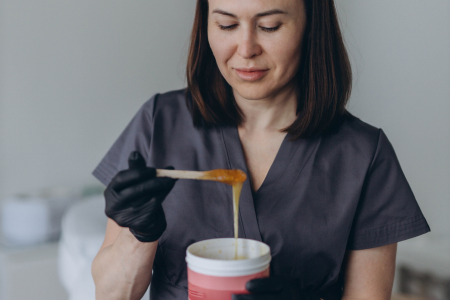
Beauty therapists provide both general and specialised beauty treatments. General beauty services include makeup application, waxing, eyelash extensions, manicures and pedicures. Specialised treatments depend on the qualification level. A beauty therapist with a Certificate IV is qualified to perform facials, massages and aromatherapy massage. With a Diploma qualification, a beauty therapist can provide a comprehensive skin analysis and more advanced facial and body treatments. With additional training, beauty therapists can specialise in a broader range of services like dermal and laser treatment and microneedling. Beauty therapists with advanced qualifications may also have business management skills to own or manage a salon.
What is the difference between a beauty therapist and a beautician?
When contemplating a career in beauty it is important to understand the distinction between a beauty therapist and a beautician. While both provide beauty treatments, the difference is the scope and depth of treatment provided and training requirements.
|
Beauty therapist vs beautician |
Beautician |
Beauty Therapist |
|
Qualification |
Certificate III in Beauty Services Six-month, full-time, entry-level qualification providing the skills and knowledge to work as a beautician |
Certificate IV in Beauty Therapy 10-months, full-time course providing skills to become a confident beauty therapist. 1 semester 2 days a week 1 semester 3 days a week 10-month, full-time course teaching skills in massage, facials and beauty treatments to become a specialised beauty therapist 1 semester 3 days a week |
|
Services |
Make-up application Waxing Lash and brow tinting and shaping Eyelash extensions Spray tanning Manicures and pedicures Nail art techniques |
Make-up application Body wrap and scrub Hair removal Lash and brow tinting and shaping Eyelash extensions Spray tanning Manicures and pedicures Nail art techniques Chemical peel Skin care analysis and advice Massages Facial treatments Product recommendations |
Tasks and responsibilities of a beauty therapist
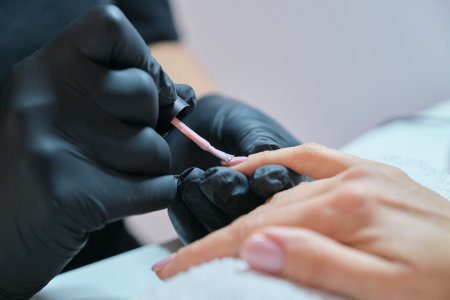
The responsibilities of a beauty therapist vary from skin care, hair removal and nail care, to body treatments and massage. Additionally, a beauty therapist will have the knowledge and skills to advise clients on skincare and products. As a beauty therapist the role may include these tasks:
- Client consultation and assessment: A beauty therapist will consult and assess clients needs as part of their service. For a skin consultation, the beauty therapist will ask relevant questions of the client like their age, allergies, medical history, lifestyle factors and goals for treatment. The beauty therapist will explain treatments and costs, and make professional recommendations. Equipment like a bright light or magnifying lamp may be used to analyse the skin. For beauty consultations like makeup application, waxing or nails, the beauty therapist will discuss the different options with clients and schedule a time for the service if agreed.
- Skin treatments: Common skin treatments that beauty therapists can provide range from facials, skin peels and body treatments
- Facials: During this procedure, the beauty therapist exfoliates, cleanses and massages the face to improve the health and appearance of the skin.
- Specialised facials: Advanced facial services utilising chemical peels, galvanic, and ultrasonic equipment to penetrate products deeper into the skin.
- Chemical peel: A trained beauty therapist can perform a chemical peel to treat issues like acne, scars or wrinkles. They apply a chemical solution which causes a controlled superficial injury to remove and repair damaged skin cells, and then neutralise it to stop the process.
- Body treatments: Beauty therapists are also trained to offer massages, body wraps, scrubs and hair removal.
- Massage: Beauty therapists can perform body massage that is both relaxing and rejuvenating . Massages a beauty therapist may perform include aromatherapy, Swedish, and hot stone massage.
- Body wrap and scrub: These treatments are performed by beauty therapists to improve the skin on the body. Body scrubs are for full body exfoliation, while body wraps involve wrapping the body in products to firm and hydrate the skin.
- Hair removal: Beauty therapists perform a variety of hair removal treatments like waxing or with further study, threading, and laser hair removal.
- Nail care: Beauty therapists are trained to perform manicures and pedicures. They can also offer nail art, as well as provide hand and foot treatments.
- Makeup: Makeup application includes general makeup for a special event, stage or theatre makeup and corrective makeup to cover scarring or skin damage.
- Product recommendations: Beauty therapists also recommend products to their clients, from skin care products to body treatments and specialised makeup.
- Skin care advice: Apart from providing skin care treatment, beauty therapists can recommend further ways to improve a client’s skin concerns. This may include teaching the client proper techniques for cleansing, exfoliation and moisturising or discussing lifestyle factors like diet and stress management.
- Hygiene and sterilisation: Salons must be hygienic and well-maintained. Duties include sterilising equipment and tools, cleaning the clinic and workspace to ensure the area meets health standards.
- Managing appointments: Beauty therapists must be able to answer the phone or emails, manage appointments and keep client records up to date.
- Manage inventory: Ordering stock and managing the inventory of skincare and beauty products is another responsibility of a beauty therapist. Effective management of the inventory ensures the right products are always in stock to meet client’s needs.
Traits and skills of a beauty therapist
Beauty therapists offer more than just surface-level treatments. They provide a therapeutic experience for their clients. Beyond the ability to perform practical beauty services, a successful beauty therapist will need these skills and traits.
- Communication: A beauty therapist needs to be able to communicate with clients from the initial consultation through to the services and treatments offered.
- Customer service: A beauty therapist with good customer service skills will be able to create a positive experience. For example, greeting clients at the door with a welcoming smile, creating a nurturing environment and being attentive to their needs.
- Observant: Observing how a client is feeling before, during and after treatment is an important skill for a beauty therapist. This allows them to accurately assess a client’s skincare or beauty needs and recommend treatments.
- Time management and organisational skills: Beauty therapists need to have time management skills to organise consultations and treatments in a professional manner. Effective time management ensures client satisfaction as wait times are minimised and appointments run smoothly.
- Personal hygiene and style: It is important for beauty therapists to be well presented and portray attention to detail with their personal style and cleanliness. Clients are likely to feel more confident asking for advice and treatments from a professional that is well groomed with good personal hygiene.
- Physical stamina: A beauty therapist spends a significant part of their time standing on their feet. Treatments like massage, facials and body wraps require a great deal of physical stamina to perform them successfully.
- Product knowledge: A beauty therapist with extensive product knowledge will be more self assured dealing with customers, knowing they have options to offer them. Good product knowledge also gives the client more confidence in their beauty therapist and raises the reputation of the business.
How to become a beauty therapist
To become a beauty therapist you will need a recognised qualification through a provider like South West TAFE. The pathway towards becoming a beauty therapist includes two course options - Certificate IV in Beauty Therapy and the Diploma of Beauty Therapy.
Certificate IV in Beauty Therapy
This nationally recognised qualification provides practical and theoretical training for a career as a beauty therapist. The course teaches the skills to become a confident beauty therapist and learn treatments like lash and brows, eyelash extensions, facials, massage, makeup application, spray tanning and waxing. This is a 10-month, full time course on campus. It includes hands-on practical training in a salon and on campus classes. Upon completion, you can work at a salon, day spa or clinic. This course provides a pathway for further study in the Diploma of Beauty Therapy. Applicants must be at least 17 years of age and have completed year 11 or equivalent.
Diploma of Beauty Therapy
This 12-month, full time course teaches similar skills to the Certificate IV like makeup, waxing, lashes and nails with additional specialised treatments like spa therapies and advanced skincare treatments. While the Certificate IV provides the core skills, the Diploma offers more in depth practical training and experience for roles like managing a salon. With a Diploma of Beauty Therapy, you can work as a beauty therapist, skin specialist and spa therapist in clinics and salons or as a freelancer running your own business. You do not need to have completed the Certificate IV in Beauty Therapy before enrolling in this course but do need other entry requirements. Applicants must be at least 17 years of age, with year 12 or equivalent qualification, have a Certificate IV or higher level qualification.
Where can a beauty therapist work?
Completing a beauty therapist course opens the doors to work in a variety of settings. As a beauty therapist you can work in salons and clinics, day spas, cruise ships, resorts, or run your own business. Exciting opportunities for beauty therapists include working in a day spa as a massage therapist, in theatre as a makeup artist or even managing a salon. Examples of different places a beauty therapist can work are:
- Beauty Salons and Spas: Beauty therapists provide a range of services in beauty salons or day spas. They deal with a diverse clientele in a salon setting and provide skincare treatments, beauty advice, body treatments, hair removal and relaxing massages and facials.
- Home/Mobile Salon: A beauty therapist can work independently from their own home salon or provide mobile services to clients. This could range from specialised services like massage and facials to eyelash extensions, brows and spray tanning.
- Retail: Beauty therapists who want to specialise in areas like makeup application or skincare may work in a retail store. These roles often involve recommending and selling products to clients.
How much can beauty therapists earn?
The earning potential of beauty therapists vary depending on factors like experience, reputation, and specialised skills. The average salary of a beauty therapist is $70,000 to $80,000 per year, while entry level beauty therapists are more likely to earn about $58,000 annually. The median hourly earning for beauty therapists in 2025 is $33 per hour. Factors that influence earnings include:
- Experience: Beauty therapists with extensive skills and experience are likely to earn more than those new to the industry. Experience usually means the beauty therapist will have honed their skills and have an established clientele, allowing them to command higher compensation.
- Specialised and additional skills: If a beauty therapist can offer sought after, specialised treatments they will be able to increase their fees. A beauty therapist who can perform advanced laser treatment or microneedling will most likely charge more than a makeup specialist.
- Geographic location: Salaries for beauty therapists vary depending on the location. Prices tend to be more in high end areas which may translate to a higher wage for the beauty therapist. Metropolitan areas or tourist destinations often offer higher pay rates than smaller towns which may have a lower average salary.
Benefits of working as a beauty therapist
If you enjoy helping people feel confident in a creative and diverse field, then beauty therapy is a rewarding career choice. The plethora of benefits of working as a beauty therapist include:
- Job opportunities: Beauty therapy is a growing industry with a high demand for skilled beauty therapists in Victoria. By 2026, the number of roles for beauty therapists is likely to be 42,400 which is a projected growth of 4,600 jobs!
- Diverse career paths: As a beauty therapist there are a variety of career paths you can take. Beauty therapists can be makeup artists, lash and brow experts, or specialise in massage therapy, facials and body treatments.
- Entrepreneurial opportunities: A beauty therapy qualification can open the door to entrepreneurial opportunities. As a beauty therapist you can run your own salon or provide mobile beauty treatments.
- Have a positive impact: A beauty therapist has a positive impact on clients, making them feel better about themselves and boosting their confidence.
A beauty therapist is a satisfying career choice for those with a passion for makeup, skincare and helping people feel better about themselves. It is a great industry to get into if you are looking for job security with the demand for beauty therapists increasing. A rewarding and potentially lucrative career, beauty therapists are in charge of a variety of daily tasks and have the potential to work in diverse settings. To become a beauty therapist you will need to complete either a Certificate IV in Beauty Therapy or a Diploma in Beauty Therapy at South West TAFE.