


Working in aged care requirements

The qualifications and requirements needed to work as an aged care worker are essential to ensuring you can provide the right level of care. Although many entry-level positions don’t require a formal qualification, earning a Certificate III in Individual Support is strongly recommended. Depending on your role, you may also need an up-to-date COVID-19 and/or influenza vaccination and first aid training.
By understanding the requirements for working in aged care, you can better understand the path to joining the industry.
Tasks and responsibilities of an aged care worker
Working in aged care requires you to assist older people with their daily living. Aged care workers have a broad range of tasks and responsibilities that include:
Provide personal care
Aged care workers have a responsibility to assist with any daily hygiene routines. This includes helping with grooming, showering, toileting, dressing and any other personal care or hygiene tasks.
Health monitoring
Monitor a client's health and report any significant changes to their mental or physical well-being to family or healthcare professionals. Depending on your qualifications, you might be responsible for administering any prescribed medicines and ensuring the correct schedule is adhered to.
Nutrition and domestic tasks
Provide nutrition to clients, and assist with planning and preparing meals that align with their dietary preferences. You may also need to assist with feeding if required. May also assist with domestic tasks and housekeeping, such as cleaning, organising laundry and grocery shopping.
Emotional support
To reduce feelings of isolation or loneliness and to enhance emotional well-being, aged-care workers provide emotional support to clients. Engaging in conversation and facilitating social events and activities can help promote a positive mental well-being.
Transportation
Organising the safe transportation for clients to any medical appointments, social events or activities.
Reasons to become an aged care worker
Working in aged care can be a rewarding experience with a range of benefits to both your career and personal development. The following are just some of the reasons why you should consider working in aged care:
In high demand
As our population ages, there is expected to be a growing demand for skilled workers who can provide the best care and support. This demand means greater job opportunities, higher job security and growth than other fields.
Create a meaningful difference
A career in aged care allows you to transform the lives of individuals and their families. Through supporting their everyday lives and building deep companionship, you can make a real difference in a senior’s quality of life. Every day working in aged care, you can strive to make meaningful improvements to a client, which can bring deep personal satisfaction.
Wide-ranging job opportunities
Aged care offers natural flexibility due to the wide variety of roles available. You can work within personal care, provide at-home support, or work as a nurse or within administration. It doesn't matter what kind of skills or interests you have, you’ll likely be able to find the right role within aged care.
Build lasting relationships
By spending meaningful time with clients and their families, you can develop strong, lasting relationships. You can learn something new every day from clients, who are full of interesting stories about their lives and experiences.
Career satisfaction
By making a tangible difference to the lives of people, you join a career with strong levels of job satisfaction. According to a recent 2024 Aged Care Worker survey, 64.7 per cent of workers responding report being satisfied with the industry, with 68.4 per cent satisfied with their job security.
Qualifications and requirements to become an aged care worker
Although the exact qualifications and requirements will depend on your career goals, to develop the necessary skills and experience needed to thrive as an aged care worker, you will typically need to complete one of the following qualifications:
Certificate III in Individual Support
This is the most common qualification for an entry-level pathway into aged care. The CHC33021 Certificate III in Individual Support aims to deliver a hands-on learning experience that covers all the necessary aspects of working in aged care, home and community care and disability sectors. This certificate will teach you how to provide individualised care plans, how to communicate with senior clients, and carry out safe working practices. At SW TAFE, you will also get the chance to enjoy 120 hours of work placement to earn valuable, real-world experience.
Upon completion of this course, you’ll be prepared for the following roles in aged care:
- Personal Care Worker/Assistant
- Direct Care Worker
- Disability Support Worker
- Home Care Worker
For more information on this certificate, including the course requirements and fees, please visit the course guide here.
Certificate III in Individual Support (Traineeship)
This course is practically identical to the CHC33021 Certificate III in Individual Support, in which you develop the necessary skills for a career as an individual support worker in an aged care, home, community care or disability setting. However, this certificate includes the addition of traineeship-based learning. A traineeship can be a great option because it means you can earn money while you receive your qualifications.
Diploma of Nursing
Many opportunities are also available for qualified nurses, with a HLT54121 Diploma of Nursing providing all the skills and knowledge to work as a nurse in an aged care facility. The diploma is made of 25 units that cover the broad spectrum of learning required for a medication and intravenous Endorsed Enrolled Nurse. You will gain the skills and knowledge required to work as a safe and competent nurse in any health care setting. For an aged care facility in particular, this diploma can teach you how to care for a person with complex needs, including how to handle wounds, medication management, and end-of-life care.
Upon completion of your diploma, you will be eligible to apply for registration with the Australian Health Practitioners Regulation Agency (AHPRA) to work as an Enrolled Nurse. You can also open up pathways to complete a Bachelor of Nursing at a university.
Additional requirements
To become an aged worker, you will also need to complete the following basic requirements:
Vaccinations
To protect the health of both residents and fellow staff, employers will require proof of your vaccinations. Those working in aged care are generally required to be vaccinated against influenza (the flu) by the 15th of August each year. Although the Australian Government isn’t legally mandating COVID-19 vaccinations for aged care workers, facilities may also require workers to get a COVID-19 vaccination every 12 months. Staying up to date with your vaccinations can ensure any vulnerable residents remain safe.
Police check
Because aged care workers are considered to be “key personnel” under the Aged Care Act of 1997, you will need to complete a national police check as a standard requirement for these positions. This is required because it demonstrates you have no criminal record that may forbid you from working in aged care. A check is a quick process that can be completed online and is usually part of the recruitment process.
First aid and CPR certification
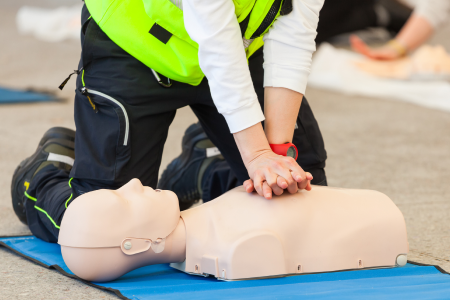
Aged care positions may also require you to complete first aid and CPR training. These skills are essential, particularly for those in direct care in the event of an emergency. At SWTAFE, we provide short courses in both first aid and CPR.
Working in aged care without a qualification
According to the Australian Department of Health and Aged Care, there are currently no minimum qualifications for roles in entry-level care and support. However, many organisations may require you to have earned a certificate in their job description, as it shows you have all the necessary skills and experience. Therefore, it will be much easier to land your first role if you have completed, or are currently completing, a certificate. That being said, there are still plenty of roles available in aged care that don’t require formal qualifications, such as cleaners, cooks, maintenance workers and many more.
Aged care worker salary in Australia
Aged care workers should expect to earn an average annual salary of between $65,000 and $75,000. This equates to an hourly rate of between $30 to $35.
Keep in mind that your salaries can vary depending on your level of experience and qualifications. Entry-level workers can expect to earn approximately $1182.80 per week, while team leaders can earn more than $95,000 per year:
Aged care worker job outlook
The current job outlook for aged care workers is excellent and currently trending upward. Australia's population is rapidly ageing, with people aged 65 making up more than 22 per cent of the entire population, up from 16 per cent in 2020. This figure is close to three times the 8.3 per cent at the start of the 1970s.
This ageing population has created a demand for individuals who have the necessary skills and experience to provide hands-on assistance. Between 2023 and 2024, more than 30,000 new jobs in aged care were created. It’s estimated this figure will continue to rise, with a five-year job growth projection of around 28 per cent.
Career pathway options
A role as an aged care worker can lead to not just a fulfilling career, but a flexible one too, with plenty of opportunities to take on more senior positions or other roles. Common pathways for an aged care worker include:
Nursing pathways
A popular and in-demand sector of the aged care industry, nurses are responsible for providing clinical care to senior clients while helping to manage and monitor their medical conditions to support their well-being. This is a common pathway for aged care workers, particularly if you already have a foundational understanding of personal care. Become an Enrolled Nurse by completing our two-year Diploma of Nursing.
Leadership and management
Once you gain enough experience, you may have the opportunity to take on a leadership role within your organisation. These roles typically come with the added responsibility of managing multiple employees, overseeing daily operations and training staff.
Business administration and finance
Aged care facilities require the use of dedicated staff to manage finances and conduct business management. By leveraging your understanding of the daily operations of aged care, you may be able to transition into the business sector of the facility. If you're interested in the world of business or finance, and you're looking to build on your existing skills, please refer to our guide on the courses available to you.
The requirements for working in aged care will vary depending on the position, but you will likely need training in first aid, any up-to-date vaccinations and a certificate such as the Certificate III in Individual Support for the required skills and knowledge. If you're looking for further support in becoming an aged care worker, please contact the helpful team at SWTAFE.